日韩精品一区二区三区高清_久久国产热这里只有精品8_天天做爽夜夜做爽_一本岛在免费一二三区

合肥生活安徽新聞合肥交通合肥房產生活服務合肥教育合肥招聘合肥旅游文化藝術合肥美食合肥地圖合肥社保合肥醫院企業服務合肥法律

URBA6006代寫、Java/c++編程語言代做

時間:2024-12-26  來源:合肥網hfw.cc  作者:hfw.cc 我要糾錯


URBA6006 TsangNokSze 3035776660

Evaluation of Climate Model – Bias and Uncertainty in Climate Prediction

AcademicPaper–ClimateModel

PaperTitle Model

1 Quantitativeurbanclimatemappingbasedonageographical GIS-basedsimulation

database:AsimulationapproachusingHongKongasacase approach–MeansofSVF

study(Chen&Ng,2011) andFADsimulation

2 Applyingurbanclimatemodelinpredictionmode–evaluation MUKLIMO_3

ofMUKLIMO_3modelperformanceforAustriancitiesbased

onthesummerperiodof2019(Hollósietal.,2021)

3 Reanalysis-drivenclimatesimulationoverCORDEXNorth CandianRegionalClimate

AmericadomainusingtheCanadianRegionalClimateModel, Model

version5:modelperformanceevaluation(Martynovetal.,

2013)

4 Evaluationofextremeclimateeventsusingaregionalclimate RegionalClimateModel

modelforChina(Ji&Kang,2014) Version4.0

5 ExtremeclimateeventsinChina:IPCC-AR4modelevaluation RegionalClimateModel–

andprojection(Jiangetal.,2011) IPCCAR4

6 Afutureclimatescenarioofregionalchangesinextreme PRECIS,aregionalclimate

climateeventsoverChinausingthePRECISclimatemodel modelsystem

(Zhangetal.,2006)

7 ClimatechangeinChinainthe21stcenturyassimulatedbya RegionalClimateModel

high-resolutionregionalclimatemodel(Gaoetal.,2012) version3(RegCM3)

8 AregionalclimatemodeldownscalingprojectionofChina RegionalClimateModel

futureclimatechange(Liu,Gao&Liang,2012) version3(RegCM3)

9 ChangesinExtremeClimateEventsinChinaUnder1.5°C–4 RegionalClimateModel

°CGlobalWarmingTargets:ProjectionsUsinganEnsembleof (RgCM4)

RegionalClimateModelSimulations(Wuetal.,2020)

10 ClimateChangeoverChinainthe21stCenturyas RegionalClimateModel

SimulatedbyBCC_CSM1.**RegCM4.0(Gao,Wang&Giorgi, (RgCM4)

2013)

Introduction

The climate model is an extension of weather forecasting, it usually predicts how average conditions

will change in a region over the coming decades (Harper, 2018). To understand how to evaluate a

climate model, we should understand the components of a climate system. A Climate system is a

systemcombiningtheatmosphere,ocean,cryosphereandbiota,therefore,therearelotsofparameters

thatwillaffecttheclimatesituationofaregion.

The climate model is usually used by researchers to understand complex earth systems. The model

inputs will be the past climate data which acts as a starting point for typical climate systems analysis

and a model can be created and used to predict the future climatic situation as the model output.

Therefore, the more we learn from the past and present climatic situation, the more accuracy of the

modeltopredictthefutureclimaticsituation.

Model accuracy and precision depended on the following three major parts, includingInput, which is

related to the data quality and quantity; model which depended on the quality and quantity of

parameters,temporalandspatialextentsettings;andoutput,whichisabouttheaccuracyandprecision

oftheforecastingofthemodel.

URBA6006 TsangNokSze 3035776660

Evaluation

A) Complexityofmodel

Problemofparameters

There are increasing statistical methods of multimode climate projections, the complexity of the

model in analyzing different parameters also hence to enhance to predict different possibilities of the

futureclimaticsituation. However,mostoftheresearchersmentionedinthispaperareonlyinterested

in ranking the importance of the different parameters in affecting and controlling the climate system.

They will try to do some correlation between the parameters and the climate result to find which

parameters should be included in the climate model for prediction and analysis. However, what we

need to focus on is how these models predict the changes in the climate of the region, their ability to

predict the accurate trends of the climatic situation. It is important to note the complexity of the

climatemodelisnotinalinearrelationshipwithitsaccuracyinpredictingfuturetrends.

B) UncertaintyandBiasofthemodel

The uncertainty of the model causing overestimation and underestimation of the model in predicting

thetemperatureandprecipitation.

The issue of uncertainty and bias are the core parts of the climate change prediction problem. Due to

the complexity of these issues on both concept and speciality, uncertainty and bias will remain an

inevitableissuesinthedebateofclimatechange.

Theproblemoftopography

As indicated by much research on climate models based in China, the problem of topography is the

major limitation for the collection of data in the first stage. China is known as a country with

complicated topography, including mountains, basins, plateaus, hills, and plains. It is important to

note that complicated topography largely affects the climate models stability (Mesinger & Veljovic,

2020), and this topography characteristic has been reviewed by Martynov et al. (2013), Jiang et al

(2011)andZhangetal(2006)asthebarriersindatacollection.

For example, as stated in research of Martynov et al (2013), the horizontal resolution in the climate

simulation is insufficient for such a complex topographical situation, while the vertical interpolation

of the pressure gradient simulation is also affected by the complex topographical factors. Similar to

theresults as statedintheresearchof Jianget al(2011),the complexityofthe topology inChina also

affect the accuracy of the model in predicting future precipitation, especially for the case of

topography-driven precipitation, the related data is not well measured and recorded by the coarse

resolution model. Mountainous regions of China also induced bias issues. Some weather stations

locatedinthevalleyorlowelevationregionsmayalsoresultinthecoldbiasoftheclimatemodelling

results. As reviewed in the regional climate model in research of Zhang et al (2006), the operation of

complex topography in China with the strong monsoon system causing a large spatial variability in

thepredictionaccuracyoftheclimatesystem.

Theproblemofhumidity

Both humidity and temperature are the major components in the climate model while humidity has

long struggled in the climate models in whether it has been adequately represented the cloud systems

to tropospheric humidity in the calculation of the climate system. In the research done by Ji & Kang

(2014), the factor of humidity in the formulation of climate systems becomes the greatest uncertainty

inclimatemodelprediction.TheclimatemodelstatedinJi&Kang(2014)researchalsoindicatedthe

relative humidity prediction appears to be much less credible and show a large variety of model

predictionskills.

URBA6006 TsangNokSze 3035776660

It is necessary to include a comprehensive analysis of the dynamic cloud processes so to evaluate the

humidityeffect inthe climate model. Moreover,humidityis highlyvariable over small scales of time

andspace,whichisahugeuncertaintyfortheregionalclimatemodel,thiswillleadtoalargerangeof

potential results in the future, directly affect the forecasting ability of the model. (Maslin & Austin,

2012).

Theavailabilityofobservationaldata

Climate observations are used as a baseline for accessing climate changes. As revealed in some

researches, complicated topography that falls within a large range of elevation largely affect data

quality and quantities of climate data collected. For instance, the temperature and humidity related

data are hardly collected. For example, for the Hollósi et al (2021) research on applying climate

models for Austrian cities, the problem of uneven distribution of weather stations is found. In other

cities of Austria, because of the limited number andsparsely placeddata collection stations, there are

muchlessobservationaldataofsome ruralregions.Evenifthecitieshavearelativelyhighamount of

weather stations, due to the building geometry differences between rural and urban cities

environmentalsetting,somepatternssuchasheatloadisnotproperlyinvestigatedandmonitored.

Therefore, the quality and quantities of the observational data are not stable and reliable for some

climate modes, resulting in large uncertainties and difficulties when analysing the climatic difference

betweenurbanandruralareas.

C) Theforecastingabilityofthemodel

The limited forecasting ability of the climate model is not inevitable. It is so hard to predict climate

changes, which highly depends on the data quality measured and captured by the measurement

stationsorequipment(Maslin& Austin,2012).Also,ouratmosphericstructureis socomplicatedand

the climatic situation is affected by many external factors that cannot be analyzed and found out by

onesingleclimaticmodel(Herrington,2019).

Theproblemofusingpastclimaticdatainpredictingextremeweather

It is important to note that climate has changed so extremely and intensely that the frequency of past

extreme eventsisnolongerareliablepredictor, especiallyforthehuman-inducedwarminghasonthe

extremeevents.Hence,theuseoftemporallylaggedperiodsofextremeeventsprobablywillprobably

underestimatethehistoricalimpacts,andalsounderratetherisksoftheoccurrenceofextremeweather.

As stated by Foley (2010), the technique that using historical observation data to calibrate future

model projections is not precise enough when the model is trying to simulate and validate a state of

the system that has not been experienced before. This is an inevitable barrier for the model

computationsofthenaturalsystems.

Researches done by Ji & Kang (2014), Jiang et al (2011) and Gao, Wang & Giorgi (2013) tries to

predict extreme weather by using the historical data at different ranges, basically using the range of

the temperature as the observational data as the input of the model. Sometimes the problem of

complicated topography of China will also induce large biases in the collection of climatic data,

includes the daily mean temperature and the records minimum and maximum temperature. As

mentioned by Sillmann et. al., (2017), predicting extreme weather needed to depend on the presence

of large scale drivers, which should be the major contributors to the existence of extreme weather.

Therefore, instead of using the separate dynamic and physical processes in the predictive model to

predict climate changes as stated in research Ji & Kang (2014), Jiang et al (2011) and Gao, Wang &

Giorgi (2013), the researches should focus on the interrelationship between the processes, a better

understandingof the processes canallowus torealize the underlyingdrivers of theresults of extreme

weather.

URBA6006 TsangNokSze 3035776660

OverestimationandUnderestimation

The climate models overestimated the interannual variability of temperature. As indicated in the Ji &

Kang(2014)research,thenetworkofprecipitationpatternsthatareprocessedfromstationsinthearid

areas may underestimate the precipitation over the northern topography of China. While the Jiang et

al (2011) research indicated the regional climate model tends to overestimate the precipitation

situationinthenorthernandwesternpartsofChinawhereintenseprecipitationisrarelyfound.Onthe

other hand, the climate model also underestimatedthe precipitation that will exist in the southern and

northeastern parts of China in the future. A similar result was also found in the Zhang et al (2006)

research,whichindicatedthattheclimatemodelunderestimatedtheexistenceofextremeprecipitation

eventsinthesouthernpartofChina.

For the climate model researches done in Hong Kong (Chen & Ng, 2011), only building geometry is

takingintoconsiderationinclimatesimulation,bothtopographyandvegetationcoverarenotincluded,

indicated that the results may overestimate the real temperature for the location located in higher

elevationwithlargevegetationcover.

LimitationoftheRegionalSimulationsinRegionalClimateModel

Mostoftheresearchesindicatedinthispaperfocusontheregionalclimatemodel,whichisthehigher

resolution model compared to the global climate model. Therefore, with a finer resolution of the

regional climate model, scientists can have a higher ability in resolving mesoscale phenomena that

contributing to heavy precipitation (Jones, Murphy & Noguer, 1995). However, as the regional

climate model onlycover certainparts ofthecontinental, thelateral boundaryconditionis requiredin

the model simulation. Therefore the accuracy of regional simulations is highly dependent on the

boundaryconditions of the observations. When the regional climate model is affected by some cross-

boundary external forcings, uncertainties must have easily existed when the climate model trying to

forecastorprojectthefutureclimateinboundaryconditions.(CCSP,2008)

Conclusion

Formulation and using a climate model to analyze the climate data and making the prediction is

becoming a new trend for scientists and researchers to enhance our understandings of the earth we

lived on. With the increased complexity of the climate model, more and more factors are putting into

considerations when we trying to predict the climate situation. However, despite the climate model

are more sophisticated in today’s society, biases and uncertainties still existed, but we should also

needtounderstandthat there is noperfect modelwith nobias anduncertainty. As longas the climate

modelisabletoensureanddecidethesensitivityoftheactualclimatesystemtosmallexternaldrivers,

theweightof scientificevidence isalreadyenoughtogive us the informationandmake anacceptable

predictionoftheclimaticsituationofourworld.

請加QQ:99515681  郵箱:99515681@qq.com   WX:codinghelp

掃一掃在手機打開當前頁
  • 上一篇:CS305程序代做、代寫Python程序語言
  • 下一篇:COMP2046代做、代寫C/C++編程設計
  • 無相關信息
    合肥生活資訊

    合肥圖文信息
    有限元分析 CAE仿真分析服務-企業/產品研發/客戶要求/設計優化
    有限元分析 CAE仿真分析服務-企業/產品研發
    急尋熱仿真分析?代做熱仿真服務+熱設計優化
    急尋熱仿真分析?代做熱仿真服務+熱設計優化
    出評 開團工具
    出評 開團工具
    挖掘機濾芯提升發動機性能
    挖掘機濾芯提升發動機性能
    海信羅馬假日洗衣機亮相AWE  復古美學與現代科技完美結合
    海信羅馬假日洗衣機亮相AWE 復古美學與現代
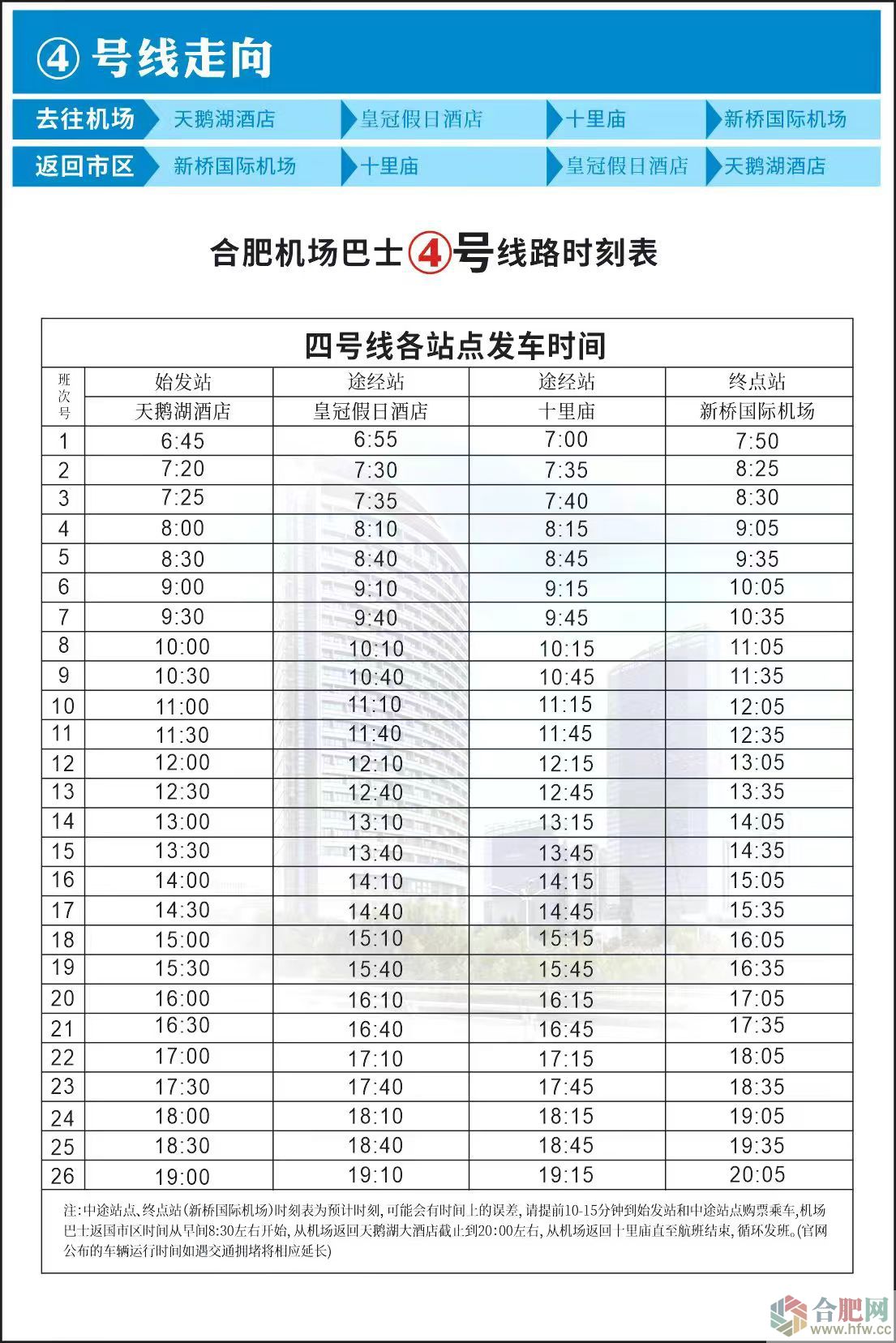
    合肥機場巴士4號線
    合肥機場巴士4號線
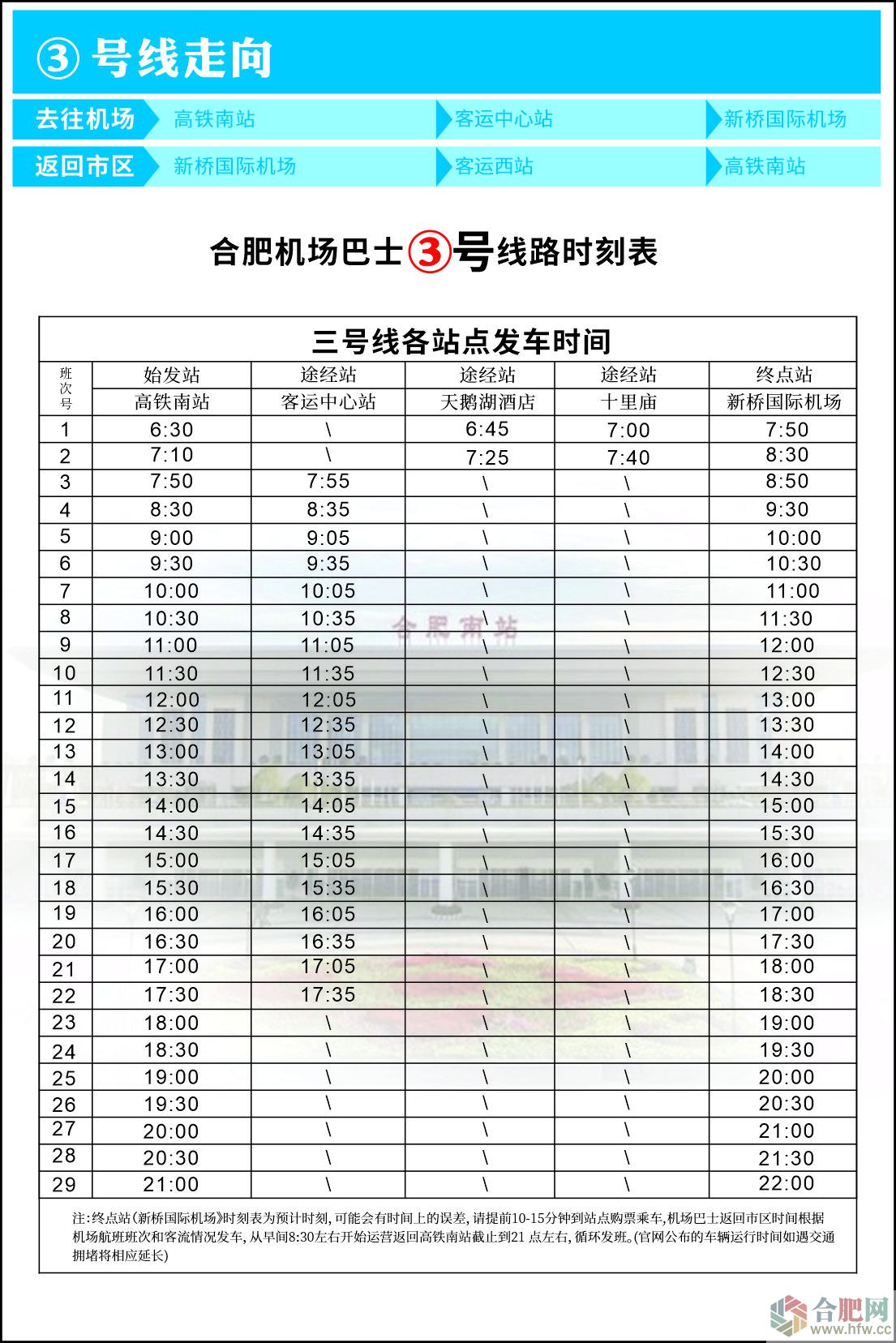
    合肥機場巴士3號線
    合肥機場巴士3號線
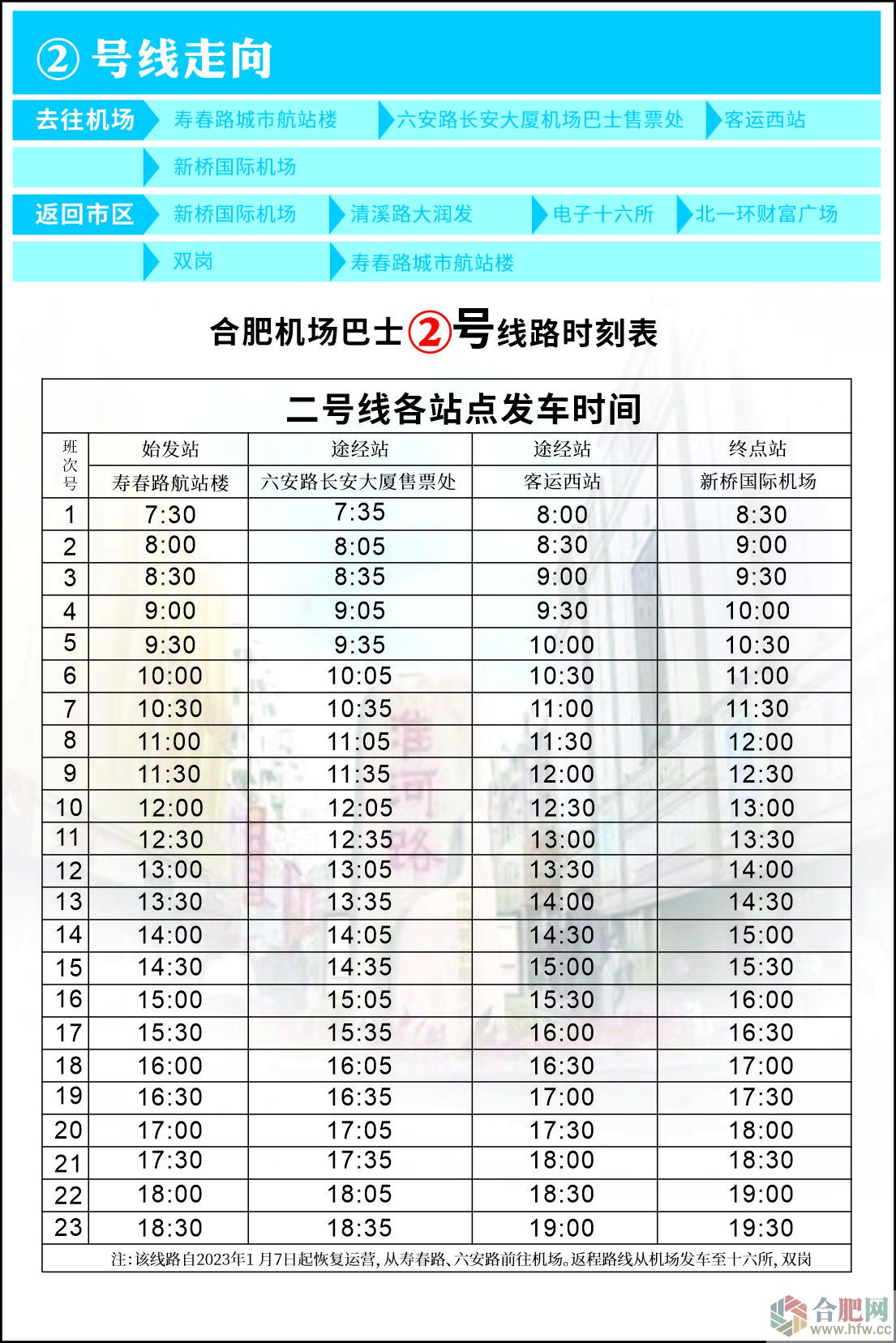
    合肥機場巴士2號線
    合肥機場巴士2號線
  • 短信驗證碼 豆包 幣安下載 目錄網

    關于我們 | 打賞支持 | 廣告服務 | 聯系我們 | 網站地圖 | 免責聲明 | 幫助中心 | 友情鏈接 |

    Copyright © 2025 hfw.cc Inc. All Rights Reserved. 合肥網 版權所有
    ICP備06013414號-3 公安備 42010502001045

    日韩精品一区二区三区高清_久久国产热这里只有精品8_天天做爽夜夜做爽_一本岛在免费一二三区

      <em id="rw4ev"></em>

        <tr id="rw4ev"></tr>

        <nav id="rw4ev"></nav>
        <strike id="rw4ev"><pre id="rw4ev"></pre></strike>
        国产精品专区第二| 国产精品美女在线观看| 亚洲一区在线直播| 欧美日韩一二三四五区| 国产精品视频一区二区三区| 狠狠色伊人亚洲综合成人| 午夜精品久久一牛影视| 欧美jizzhd精品欧美巨大免费| 久久亚洲一区二区三区四区| 欧美xart系列高清| 欧美激情bt| 久久精精品视频| 亚洲欧美日韩一区二区| 欧美激情在线免费观看| 一区二区三欧美| 国产在线精品一区二区中文| 欧美日韩亚洲一区在线观看| 亚洲在线播放| 一本一本久久a久久精品牛牛影视| 美女视频网站黄色亚洲| 久久精品中文| 欧美日本国产视频| 在线国产亚洲欧美| 99国产精品一区| 国产三级精品三级| 国产精品尤物| 久久久www成人免费无遮挡大片| 性欧美办公室18xxxxhd| 欧美3dxxxxhd| 午夜视黄欧洲亚洲| avtt综合网| 亚洲无限乱码一二三四麻| 一二美女精品欧洲| 国产三区二区一区久久| 欧美一区二区三区精品电影| 国产精品久久久久久影视| 久久在线免费视频| 国产欧美一区二区三区在线看蜜臀| 国产一区二区三区成人欧美日韩在线观看| 国产精品久久77777| 国产精品久久久久久久久久久久久久| 国产精品乱人伦一区二区| 1000部精品久久久久久久久| 欧美欧美天天天天操| 亚洲午夜小视频| 日韩午夜高潮| 国产精品免费电影| 国产日韩精品一区二区浪潮av| 黑丝一区二区三区| 欧美在线视频一区二区三区| 欧美日韩亚洲系列| 国产亚洲毛片在线| 日韩视频在线一区二区| 亚洲女性喷水在线观看一区| 国产精品白丝jk黑袜喷水| 免费一级欧美片在线观看| 国产精品视频你懂的| 欧美日韩一区二区三区四区五区| 国产欧美在线视频| 欧美精品一区在线| 在线观看国产精品网站| 亚洲免费婷婷| 蜜臀a∨国产成人精品| 亚洲国产精彩中文乱码av在线播放| 红桃视频亚洲| 尤物九九久久国产精品的分类| 亚洲一区二区网站| 欧美日韩一区在线视频| 女人色偷偷aa久久天堂| 亚洲精品激情| 在线观看91精品国产入口| 精品999久久久| 欧美日韩国产在线观看| 亚洲国产乱码最新视频| 久久九九国产| 欧美系列精品| 亚洲第一页自拍| 亚洲激情在线| 国产在线视频不卡二| 亚洲综合色激情五月| 久久天天躁狠狠躁夜夜av| 欧美精品入口| 欧美成人免费全部观看天天性色| 国产视频一区在线观看| 欧美日韩成人在线播放| 一本一本a久久| 午夜精品视频在线观看一区二区| 亚洲精品一二三| 国产精品永久免费在线| 国产精品夫妻自拍| 韩国成人理伦片免费播放| 免费永久网站黄欧美| 国产老肥熟一区二区三区| 黄色日韩网站| 欧美精品www在线观看| 亚洲综合二区| 亚洲性人人天天夜夜摸| 亚洲精品一区二区三区99| 噜噜噜噜噜久久久久久91| 性欧美18~19sex高清播放| 国产精品免费观看在线| 亚洲视频在线观看视频| 久久影视三级福利片| 亚洲欧洲精品一区| 亚洲欧洲日韩综合二区| 亚洲高清精品中出| 91久久精品一区二区别| 国产精品亚洲片夜色在线| 亚洲精品国产精品国自产在线| 欧美日韩国产成人在线免费| 午夜免费日韩视频| 欧美日韩色综合| 久久只有精品| 激情久久久久| 欧美日韩系列| 亚洲精品国精品久久99热一| 欧美精品久久久久a| 蜜臀va亚洲va欧美va天堂| 国产精品看片你懂得| 校园春色国产精品| 亚洲视频综合在线| 一区二区三区高清不卡| 夜夜精品视频一区二区| 国产精品日本| 欧美日韩精品一区二区| 麻豆av福利av久久av| 精品动漫3d一区二区三区免费| 亚洲一区影音先锋| 国产精品成人午夜| 老司机精品视频一区二区三区| 国产精品视频精品视频| 午夜在线播放视频欧美| 亚洲第一久久影院| 久久在线视频在线| 亚洲女性裸体视频| 国产区亚洲区欧美区| 欧美日韩精品伦理作品在线免费观看| 在线观看欧美一区| 亚洲一区亚洲二区| 欧美午夜激情视频| 久久蜜桃av一区精品变态类天堂| 一区二区三区在线看| 亚洲欧洲日夜超级视频| 欧美四级剧情无删版影片| 一区免费在线| 久久www成人_看片免费不卡| 国产一区二区三区高清| 亚洲激情社区| 国产精品久久久久久久久免费樱桃| 亚洲香蕉成视频在线观看| 亚洲国产精品悠悠久久琪琪| 久久深夜福利免费观看| 亚洲国产精品一区二区三区| 久久久一区二区三区| 亚洲国产精品成人综合色在线婷婷| 久久精品国产一区二区三区| 久久久久国产一区二区三区| 亚洲国产第一| 国产精品成人国产乱一区| 一区二区在线观看视频| 欧美中文字幕不卡| 一区二区三区免费看| 久久久激情视频| 国产精品一区二区久激情瑜伽|