日韩精品一区二区三区高清_久久国产热这里只有精品8_天天做爽夜夜做爽_一本岛在免费一二三区

合肥生活安徽新聞合肥交通合肥房產生活服務合肥教育合肥招聘合肥旅游文化藝術合肥美食合肥地圖合肥社保合肥醫院企業服務合肥法律

代做 pCLA321 Cloud Architecture、代寫 Java

時間:2024-07-28  來源:合肥網hfw.cc  作者:hfw.cc 我要糾錯


ASSESSMENT 2 BRIEF

Subject Code and Title CLA**1 Cloud Architecture.

Assessment Task Cloud Migration Plans.

Individual/Group Group.

Length 1200 words (+/- 10%) with diagrams.

Learning Outcomes The Subject Learning Outcomes demonstrated by successful

completion of the task below include:

b) Select and appraise relevant cloud computing components

and architecture to meet the ICT service delivery

requirements.

c) Design cloud architecture in consideration of relevant

governance, cybersecurity, and ICT service requirements.

d) Apply configure management for continuous improvement

of cloud service architecture.

12-week duration: Due by 11:55pm AEST/AEDT Sunday end of

Submission

Module 8 (Week 8)

6-week duration: Due by 11:55pm AEST/AEDT Sunday end of

Module 8 (Week 4)

Weighting 35%

Total Marks 100 marks

Assessment Task

In the same group as you were in for Assessment 1, use the findings from Assessment 1 to develop

and design a cloud orchestration plan and write a 1200-word report.

Please refer to the Instructions section for details on how to complete this task.

Context

Cloud orchestration refers to managing and coordinating various cloud resources and services to

ensure the seamless operation of complex applications and workflows. It involves automating and

orchestrating the deployment, configuration, and management of cloud infrastructure, applications,

and services in a coordinated and efficient manner.

A cloud orchestration plan document is vital for the success of any cloud-based project. It offers

numerous benefits, some of which are listed below:

 Clarity and Communication.

Strategic Alignment.

CLA**1_Assessment 2_202**03 Page 1 of 8

 Risk Mitigation.

Resource Optimisation.

 Compliance and Governance.

Apart from the benefits mentioned above, the orchestration plan document provides benefits in

other areas, such as training and knowledge transfer, vendor management, collaboration and

accountability. It is a valuable resource that guides and supports effective cloud orchestration

practices.

In Assessment 2, you will prepare the cloud orchestration plan document to guide you through

Assessment 3. This assessment will also enable you to understand the best practices used in the

industry for cloud orchestration.

Instructions

You will continue working in the groups you formed for the Assessment 1 task.

For this assessment, you will need to apply the knowledge in various domains of cloud architecture

that you have gained through Modules 1 - 8. You must also cite current secondary research from the

past five (5) years using APA referencing to support your responses. They must be included in your

reference list.

To complete Assessment 2 successfully, you must complete the tasks below:

Task 1: Review the Group Contract

Please read your completed CLA**1 Assessment 2 and 3 Group Contract. Refer to

sections 6.1 and 6.2 of the Student Conduct Policy.

For Assessment 2, you should keep records of communication and drafts.

Consult with your Learning Facilitator regarding any contribution or other issues.

Task 2: Review the case study and the findings from Assessment 1

 Re-examine your findings from Assessment Task 1.

 Carefully review the case study to understand the organisation’s cloud requirements.

Task 3: Produce a Cloud Orchestration Plan (1200 words)

 Utilise the following structure to prepare the cloud orchestration plan document.

Include diagrams to demonstrate the key components of the orchestration plan.

a) Introduction (approx. 100 words)

- Outline the purpose and scope of the report.

- Provide an overview of cloud orchestration strategy and objectives.

- Identify key stakeholders and their roles.

b) Body (approx. 1000 words)

You should divide this section of the report into the following sub-sections:

CLA**1_Assessment 2_202**03 Page 2 of 8

i) Cloud Environment Overview:

- Describe the current infrastructure (review of Assessment 1).

- Overview of the applications, workloads and data being managed.

ii) Orchestration Goals and Objectives:

- Define the goals and objectives of the cloud orchestration initiative.

- Alignment with organisational strategies and business requirements.

iii) Resource Provisioning Management:

- Discuss resource provisioning approaches, including virtual machines,

data storage and networking components.

- Establish guidelines for resource allocation, scaling and optimisation

based on demand (configuration management).

- Develop strategies for managing resource lifecycle, including

provisioning, monitoring, and decommissioning.

- Illustrate how resources, such as virtual machines, storage and

networking, are provisioned and scaled based on demand using visual

diagrams.

iv) Security and Compliance:

- Implement measures to ensure the security and compliance of the

orchestrated resources and services.

- Identify access control mechanisms and authentication methods.

- Illustrate the security measures and controls implemented in the cloud

orchestration environment using visual diagrams.

v) Monitoring and Alerting:

- Design plans for monitoring the health, performance, and availability of

orchestrated resources.

- Identify key metrics to be monitored and thresholds for triggering alerts.

- Illustrate the monitoring and alerting infrastructure and processes using

visual diagrams.

vi) Governance and Documentation:

- Determine policies and procedures for governance and management of

the orchestration environment.

c) Conclusion (100 words)

- Summarise your design and development findings.

d) Reference List

- Include in-text citations in your report and the references at the end of the

report. Adhere to APA style guidelines.

Referencing

It is essential that you use current APA style for citing and referencing the sources that you use.

Please see more information on citing and referencing guidelines on the Academic Skills webpage.

CLA**1_Assessment 2_202**03 Page 3 of 8

Submission Instructions

Students are individually required to submit a report addressing all the requirements of this

assessment.

Submit your Assessment 1 report via the Assessment link in the main navigation menu in CLA**1:

Cloud Architecture Portal. Please name your file in the following format:

Lastname_First initial_subject code_assessment number

e.g. Smith_A_CLA**1_A2

o

Your Learning Facilitator will provide feedback via the Grade Centre in the LMS portal. Feedback can

be viewed in My Grades.

Academic Integrity

All students are responsible for ensuring that all work submitted is their own, is academically written

and appropriately referenced following the Academic Writing Guide. Students also need to have

read and be aware of Torrens University Australia Academic integrity policy and procedures and

subsequent penalties for academic misconduct. These are available online.

Students must also keep a copy of all submitted material and any assessment drafts.

Special Consideration

To apply for special consideration for a modification to an assessment task or exam due to

unexpected or extenuating circumstances, please consult the Assessment Policy for Higher

Education Coursework and ELICOS and, if applicable to your circumstance, submit a completed

Application for Assessment Special Consideration Form to your Learning Facilitator.

CLA**1_Assessment 2_202**03 Page 4 of 8

Assessment Rubric

Fail

Pass Credit Distinction High Distinction

Assessment (Yet to achieve

(Functional) (Proficient) (Advanced) (Exceptional)

Attributes minimum standard)

50-64% 65-74% 75-84% 85-100%

0-49%

Demonstrated Limited or no knowledge Basic knowledge of cloud Adequate knowledge of Strong knowledge of cloud Advanced knowledge of

knowledge of cloud of cloud orchestration orchestration tools. cloud orchestration tools. orchestration tools. cloud orchestration tools.

orchestration tools and tools.

technologies to address Provides a basic, generalised, Provides an adequate and Provides a clear, detailed, Provides an accurate, highly

an organisation's ICT Provides a vague or and sometimes supported mostly factual description and supported description informative, and well-

strategies and business inaccurate description of description of the topic and of the topic and its impact, of the topic and its impact, supported description of

requirements the topic and its impact, its impact, covering a few covering some relevant covering the most relevant the topic covering all

covering very few relevant relevant details. Contains details. Contains a few details. Contains only minor relevant details. Contains

Percentage for this details. Contains many several errors. errors. errors. no omissions or errors.

Criterion = 15% errors.

Attempts to use specialised Uses some specialised Uses specialised Discerningly and

Very rarely and/or terminology accurately, but terminology accurately. terminology accurately and consistently selects and

inaccurately uses the meaning is difficult to effectively. precisely employs a wide

specialised terminology understand. range of specialised

terminology.

.

Development of Demonstrates a very Demonstrates a very basic Demonstrates an adequate Demonstrates an advanced Demonstrates exceptional

strategies for the limited knowledge of understanding of resource level of knowledge in level of knowledge and knowledge and expertise in

provision and allocation resource management provisioning management designing and expertise in designing and designing and

of resources for a cloud strategy. strategy. implementing a resource implementing a resource implementing a resource

orchestration plan provisioning management provisioning management provisioning management

Provides no discussion on Provides a basic discussion on strategy. strategy. strategy.

Percentage for this resource allocation and resource allocation and

Criterion = 25% managing resource managing resource lifecycle, Provides an informative Provides a comprehensive, Provides a comprehensive,

lifecycle. but lacks depth and discussion on resource insightful discussion on innovative, insightful

comprehensive insights. allocation and managing resource allocation and discussion on resource

Visual diagrams are resource lifecycle. allocation and managing

missing or poorly utilised resource lifecycle that

CLA**1_Assessment 2_202**03 Page 5 of 8

to illustrate aspects of Some visual diagrams are Most visual diagrams are managing resource reflects a deep

resource provisioning. present, but they are simple present, providing clarity lifecycle. understanding.

and lack creativity in and supporting the

illustrating aspects of discussion, however they Visual diagrams are Visual diagrams are

resource provisioning. detailed, creative and exceptionally detailed,

may lack innovation.

illustrate almost all major creative, and visually

aspects of resource appealing, and illustrate all

provisioning. aspects of resource

provisioning.

Integrating security Develops basic security Develops foundational Develops comprehensive Develops advanced security Develops highly relevant

measures, control and monitoring processes security and monitoring security and monitoring and monitoring processes and appropriate security

mechanisms and that align with general ICT processes that align with processes that adhere to that adhere to current ICT and monitoring processes

governance practices standards. established ICT standards. current ICT standards. standards. that adhere to current ICT

into a cloud standards, demonstrating

orchestration plan Incorporates some Demonstrates awareness of Demonstrates a good Demonstrates an advanced exceptional insight on the

relevant practices for ICT relevant practices for ICT understanding of relevant level of understanding of topic.

Percentage for this service delivery and service delivery and practices for ICT service relevant practices for ICT

Criterion = 30% governance processes. governance processes. delivery and governance service delivery and Consistently and accurately

processes. governance processes. incorporates best practices

Visual diagrams are Some visual diagrams are for ICT service delivery and

missing or poorly utilised present, but they are simple Many visual diagrams are Visual diagrams are detailed governance processes

to illustrate monitoring and lack creativity in present, providing clarity and creative and illustrate drawn from reliable,

infrastructure and control illustrating the aspects of and supporting the almost all major aspects of credible and current

mechanisms. monitoring infrastructure and discussion, however, they monitoring infrastructure secondary sources.

control mechanisms. may lack innovation. and control mechanisms.

Uses detailed, creative and

innovative visual diagrams

to illustrate and support all

monitoring infrastructure

and control mechanisms.

CLA**1_Assessment 2_202**03 Page 6 of 8

Effective The writing style is halting, The writing style is not always The writing style is mostly The writing style is fluent, The writing style is fluent,

communication inappropriate and/or fluent and appropriate, and fluent, appropriate and appropriate and accurate, appropriate and accurate,

(writing) inaccurate, with many contains some errors in accurate, with a few errors. with only minor errors. with no errors.

errors. accuracy.

Percentage for this The layout is well- The layout is well- The layout is well-

Criterion = 10% The layout lacks cohesion The layout is mostly well- structured, with most structured, with content structured, and all content

and is challenging to structured but can be content logically logically sequenced and is sequenced effectively

follow. confusing, disjointed and/or sequenced. easy to follow. and skilfully to a

cluttered at times. professional standard.

Teamwork (group Teamwork or group Teamwork or group Teamwork or group Teamwork or group Group members worked

participation) participation is not participation is functional, participation is sufficient, participation is consistent cohesively by collaborating

evident. Lack of

with minimal collaboration with adequate

with regular collaboration on all tasks and sharing

Percentage for this collaboration on tasks and on tasks and sharing ideas ideas and viewpoints

on tasks and sharing of ideas collaboration on tasks and

Criterion = 10% sharing of ideas and and viewpoints. exceptionally well.

and viewpoints. sharing ideas and

viewpoints.

viewpoints.

Group members allocated Group members

Group members do not Group members attempt to the work required to discerningly allocated the

allocate the work required allocate the work required to Group members allocated complete the group work in work required to complete

to complete the group complete the group work, but the work required to a fair and equitable manner the group work in a fair and

work in a fair and on almost all occasions. equitable manner on all

not in a fair and equitable complete the group work in

equitable manner. occasions.

manner on many occasions. a fair and equitable manner

on some occasions.

CLA**1_Assessment 2_202**03 Page 7 of 8

Use of sources; Limited or no use of Basic use of Adequate use of some Strong use of a good range Excellent use of a wide

correct citation and academic/industry-related academic/industry-related academic/industry-related of academic/industry- range of

referencing of key sources to support and sources to support and sources to support and related sources to support academic/industry-related

resources and evidence develop ideas. develop some ideas. develop most ideas. and develop almost all sources to support and

ideas. develop all ideas.

Percentage for this Citation and referencing Most in-text citations and/or Almost all in-text citations

criterion = 10% are omitted or do not reference list entries follow and reference list entries Almost all in-text citations All in-text citations and

follow APA guidelines for APA guidelines. Some errors follow APA guidelines; only and reference list entries reference list entries follow

most in-text citations are present. a few citations and follow APA guidelines; only APA guidelines; no citation

and/or reference list referencing errors exist. one or two citations and or referencing errors.

entries. referencing errors.

The following Subject Learning Outcomes are addressed in this assessment.

SLO b) Select and appraise relevant cloud computing components and architecture to meet the ICT service delivery requirements.

SLO c) Design cloud architecture in consideration of relevant governance, cybersecurity, and ICT service requirements.

SLO d) Apply configure management for continuous improvement of cloud service architecture.

CLA**1_Assessment 2_202**03 Page 8 of 8

請加QQ:99515681  郵箱:99515681@qq.com   WX:codinghelp


掃一掃在手機打開當前頁
  • 上一篇:COMP1921代寫、Java/Python/c++編程語言代做
  • 下一篇:COMP4337 代做、代寫 java/c++設計編程
  • 無相關信息
    合肥生活資訊

    合肥圖文信息
    2025年10月份更新拼多多改銷助手小象助手多多出評軟件
    2025年10月份更新拼多多改銷助手小象助手多
    有限元分析 CAE仿真分析服務-企業/產品研發/客戶要求/設計優化
    有限元分析 CAE仿真分析服務-企業/產品研發
    急尋熱仿真分析?代做熱仿真服務+熱設計優化
    急尋熱仿真分析?代做熱仿真服務+熱設計優化
    出評 開團工具
    出評 開團工具
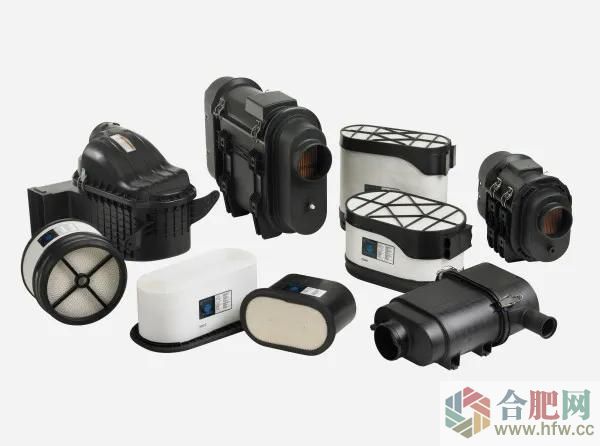
    挖掘機濾芯提升發動機性能
    挖掘機濾芯提升發動機性能
    海信羅馬假日洗衣機亮相AWE  復古美學與現代科技完美結合
    海信羅馬假日洗衣機亮相AWE 復古美學與現代
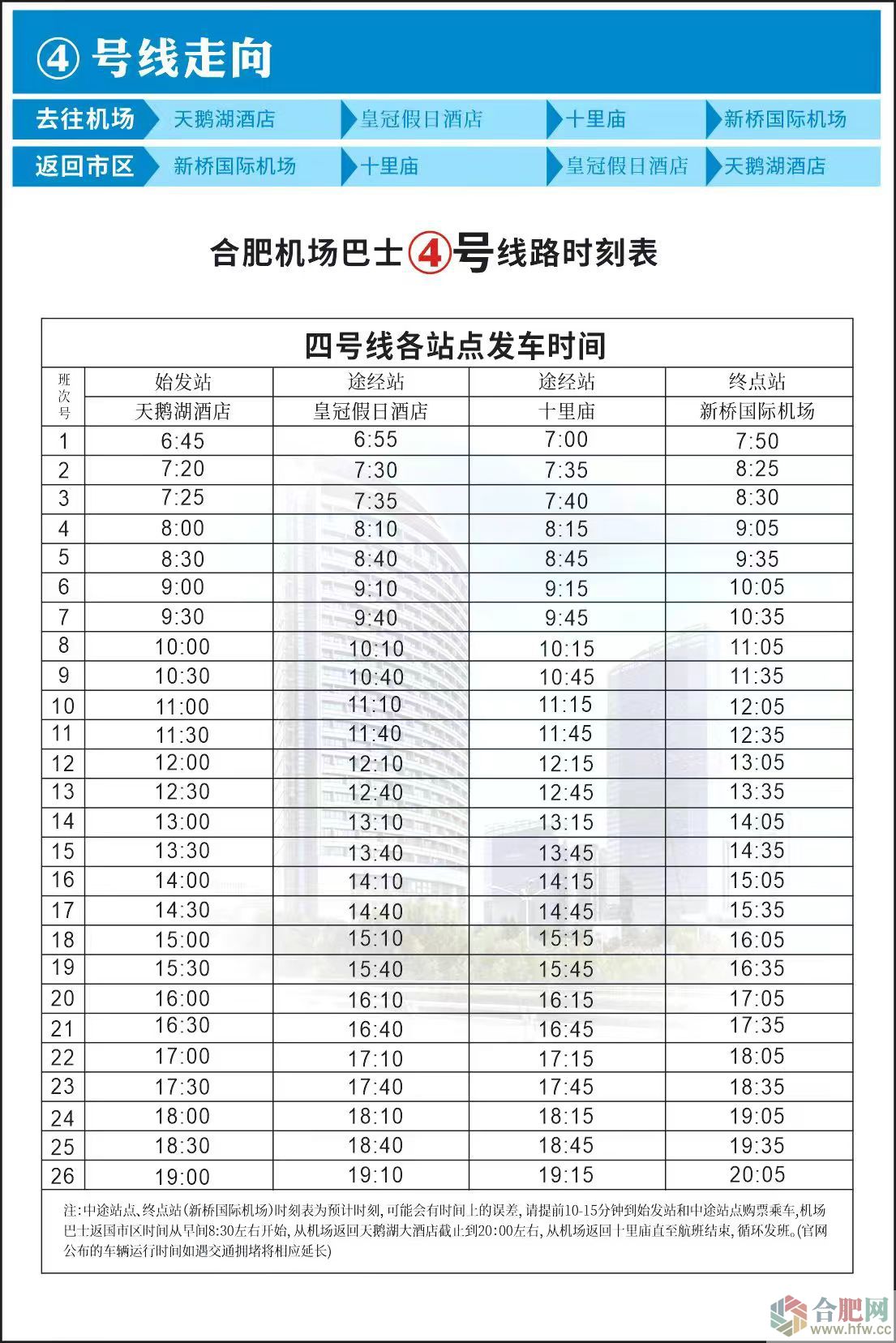
    合肥機場巴士4號線
    合肥機場巴士4號線
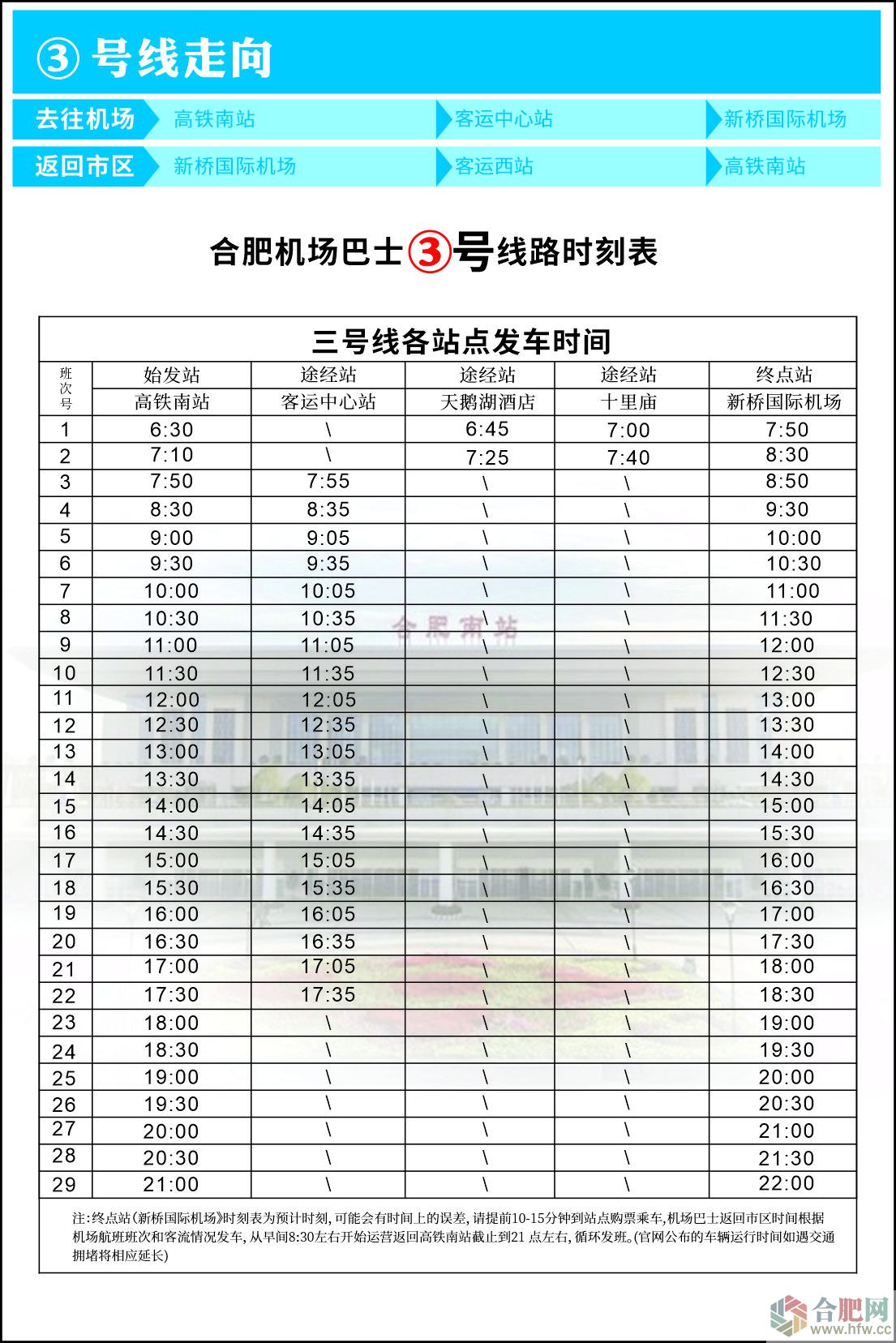
    合肥機場巴士3號線
    合肥機場巴士3號線
  • 短信驗證碼 trae 豆包網頁版入口 目錄網 排行網

    關于我們 | 打賞支持 | 廣告服務 | 聯系我們 | 網站地圖 | 免責聲明 | 幫助中心 | 友情鏈接 |

    Copyright © 2025 hfw.cc Inc. All Rights Reserved. 合肥網 版權所有
    ICP備06013414號-3 公安備 42010502001045

    日韩精品一区二区三区高清_久久国产热这里只有精品8_天天做爽夜夜做爽_一本岛在免费一二三区

      <em id="rw4ev"></em>

        <tr id="rw4ev"></tr>

        <nav id="rw4ev"></nav>
        <strike id="rw4ev"><pre id="rw4ev"></pre></strike>
        亚洲欧美自拍偷拍| 91久久精品国产91久久性色| 欧美四级在线| 亚洲精品色婷婷福利天堂| 日韩视频一区二区三区在线播放免费观看| 亚洲天堂成人在线视频| 欧美一区激情视频在线观看| 在线观看国产精品淫| 国内精品久久久| 午夜精品久久| 午夜欧美精品久久久久久久| 亚洲在线观看视频网站| 欧美在线一二三区| 亚洲一区二区三区乱码aⅴ蜜桃女| 国产精品爽爽ⅴa在线观看| 国产精品夜夜夜一区二区三区尤| 久久综合九色综合欧美就去吻| 亚洲国产精品视频| 亚洲第一天堂无码专区| 红杏aⅴ成人免费视频| 欧美国产欧美亚洲国产日韩mv天天看完整| 国产一区二区在线观看免费播放| 亚洲第一主播视频| 久久偷看各类wc女厕嘘嘘偷窃| 国产精品久久久久秋霞鲁丝| 羞羞漫画18久久大片| 樱花yy私人影院亚洲| 久久本道综合色狠狠五月| 亚洲黄色免费网站| 亚洲国产精品久久91精品| 久久―日本道色综合久久| 9l国产精品久久久久麻豆| 国产午夜亚洲精品不卡| 久久精品国产综合精品| 久久久久久噜噜噜久久久精品| 欧美大成色www永久网站婷| 六月婷婷久久| 欧美国产日韩一二三区| 国产老肥熟一区二区三区| 国产美女精品人人做人人爽| 久久www成人_看片免费不卡| 国产精品v日韩精品v欧美精品网站| 亚洲毛片在线观看| 亚洲一区二区三区乱码aⅴ| 毛片一区二区| 亚洲美女免费精品视频在线观看| 欧美电影免费| 亚洲尤物视频网| 国产精品乱码久久久久久| 国产综合色产在线精品| 欧美成人国产va精品日本一级| 亚洲在线视频网站| 欧美精品一二三| 韩国三级电影久久久久久| 一区二区三区在线观看视频| 午夜精品一区二区三区电影天堂| 亚洲国产一二三| 亚洲一区免费在线观看| 国产亚洲欧美另类一区二区三区| 日韩午夜免费视频| 亚洲午夜精品一区二区| 国产欧美精品va在线观看| 欧美性猛交一区二区三区精品| 欧美大片免费观看| 韩国久久久久| 亚洲免费成人av| 国产亚洲va综合人人澡精品| 亚洲精品一线二线三线无人区| 韩日午夜在线资源一区二区| 亚洲一区999| 国产日韩欧美麻豆| 亚洲激情视频| 欧美三区美女| 亚洲四色影视在线观看| 久久久久国产一区二区三区| 国产午夜精品全部视频在线播放| 欧美一区免费视频| 亚洲永久免费观看| 91久久精品www人人做人人爽| 久久国产精品亚洲va麻豆| 久久av最新网址| 亚洲网在线观看| 性色av一区二区三区红粉影视| 欧美久久成人| 久久精品视频导航| 欧美激情精品久久久六区热门| 欧美三级韩国三级日本三斤| 正在播放亚洲| 国产精品久久久久一区| 国产精品日韩欧美综合| 国产专区精品视频| 精品1区2区3区4区| 欧美国产精品劲爆| 极品尤物av久久免费看| 亚洲精品一线二线三线无人区| 黄色小说综合网站| 亚洲精选视频免费看| 国产酒店精品激情| 欧美性事免费在线观看| 老色批av在线精品| 国产一区二区三区黄| 在线视频亚洲欧美| 欧美性猛交一区二区三区精品| 亚洲国产精品一区二区第一页| 一区二区欧美视频| 久久久一区二区| 99热在线精品观看| 欧美电影免费观看高清| 在线视频国内自拍亚洲视频| 久久在线免费| 欧美伊久线香蕉线新在线| 国产日韩欧美视频| 影音先锋久久| 亚洲一区二区久久| 国产精品白丝jk黑袜喷水| 亚洲精品欧美极品| 亚洲一区二区精品| 欧美破处大片在线视频| 一区二区三区回区在观看免费视频| 久久精品视频免费| 欧美性做爰毛片| 在线一区二区三区做爰视频网站| 久久久久久久久岛国免费| 亚洲欧美日韩成人高清在线一区| 欧美不卡视频| 欧美成人精品h版在线观看| 亚洲国产精品va在线观看黑人| 国产精品爽爽爽| 欧美不卡一区| 黑人一区二区| 亚洲区一区二区三区| 久久精品导航| 久久天堂成人| 久久久久久久综合色一本| 欧美成人综合在线| 亚洲精品社区| 欧美久久电影| 亚洲国产成人久久综合| 黄色成人av在线| 亚洲麻豆国产自偷在线| 午夜精品一区二区三区在线播放| 午夜日韩av| 99re6这里只有精品| 欧美一区激情| 欧美不卡高清| 国产美女精品一区二区三区| 欧美性天天影院| 亚洲午夜电影网| 久久99在线观看| 亚洲国产精品99久久久久久久久| 亚洲成人影音| 国产亚洲欧美激情| 亚洲视频在线一区| 欧美日韩国产精品自在自线| 久久久久久久尹人综合网亚洲| 欧美国产日本| 一本色道久久综合狠狠躁篇的优点| 国产精品美女久久久久久久| 欧美日韩精品在线播放| 欧美网站大全在线观看| 国产精品高潮呻吟| 亚洲伊人一本大道中文字幕| 亚洲国产精品传媒在线观看| 久久天堂精品|